
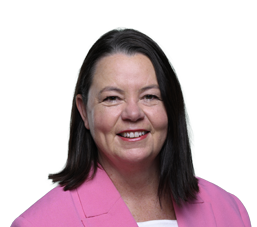
Interview with Mel Clarke, ABC Radio AM
MEL CLARKE: Back home, the Federal Government is focused on shoring up relations with Southeast Asian nations that supply Australia with petrol, diesel and jet fuel. Madeleine King is the Federal Resources Minister. Madeleine King, thanks very much for speaking to AM this morning.
MINISTER MADELEINE KING: It’s a delight to be here. Thanks, Mel.
MEL CLARKE: We've seen overnight President Donald Trump say that the US will blockade the Strait of Hormuz. This development can't be helpful to getting fuel supply back to normal.
MINISTER MADELEINE KING: Australia, as you can imagine, supports freedom of navigation. It's really very important for all of global trade. But as a nation that depends on trading maritime lanes, it's even more important. So, on the negotiations themselves, we hope that the parties can resume talks. De-escalation is what we've consistently called for as a government. I think it's what the Australian people would like to see as well. As for the blockade, that poses a very difficult position for global trade and having any suggestions there might be some kind of permanent tolling on an important trade route by a regime that's listed as a terrorist organisation is just not a sustainable position.
MEL CLARKE: So, will the government be pressing the US Government to not blockade the strait? Will there be direct discussions with counterparts to try and dissuade the US from taking that course of action?
MINISTER MADELEINE KING: We always talk with all of our partners. It's really important to remember, obviously, America's our most important strategic partner in global affairs. So, we continue to maintain our position about de-escalation. What the United States chooses to do around the blockade that they've suggested is a matter for them and we'll wait to see how that eventuates. Really, the best thing Australia can do is encourage that both parties go back to the negotiating table and, you know, respect the work that all negotiators are doing. In particular, Pakistan, hosting these talks have been very important over the weekend. But having a blockaded, well, having a tolling system around the Strait of Hormuz would be very, very difficult position for not only Australia, but for other countries in the region.
MEL CLARKE: When it comes to securing fuel supply for Australia. We've seen the Prime Minister visit Singapore. He's heading off to Brunei and Malaysia this week. Is this a goodwill tour with those nations or are there concrete outcomes that are expected from these visits?
MINISTER MADELEINE KING: Well, we've got great relationships with these countries already. The Singaporean, trip to Singapore the Prime Minister has just come back from, was really important. And that's the depth of relationship with Singapore in this country.
MEL CLARKE: But this is more about reinforcing that relationship rather than a new agreement.
MINISTER MADELEINE KING: Well, that's right. And Foreign Minister is travelling as well. And I think it's really important that our Prime Minister and our Foreign Minister go there and be there and meet with their counterparts. It sends a very strong signal about where Australia sits in the geostrategic positioning in the world but also a will to engage with our partners. They rely on us for lots of energy as well as we rely on them. So, we want to remind everyone of that. And it's not just energy, it's food security as well. I mean Australia does export a great deal of protein into the region and to get that protein we need an agriculture industry to thrive and that does rely on diesel. So, it's a very important chain here.
MEL CLARKE: As we get closer to the budget being announced, can you give us any clarity about what changes to taxation for gas exports? What's on the table, what's off the table? Because I'm not sure the message is clear from the government at this point.
MINISTER MADELEINE KING: As we go, it's going to be a difficult budget. We all know that it's. The budget's constrained by the disruption to global trade. We can't avoid that disruption. We can just manage it as best we can as a country. And the Treasurer has already said we'll be working on this until the very last minute to try and get the best position that we can for the nation.
MEL CLARKE: And when it comes to gas exports specifically?
MINISTER MADELEINE KING: Well, there's been a lot of talk about different taxes and different systems, including on gas. The thing I think it's important to remember is PRRT, the Petroleum Resource Rent Tax, doesn't apply to all gas exports. So, I think that's what generates some of this discussion. I think it's worth people remembering that too have created this gas industry which provides most of the domestic gas in this country. You know, those companies had to invest tens of billions of dollars. If I think of Chevron as an $80 billion project, INPEX another $80 billion project and that's before we even talk about the Queensland project. So, there's.
MEL CLARKE: You wouldn't want to see a change there?
MINISTER MADELEINE KING: Oh no, no, I am. You know, it's a matter for the Treasurer and the whole cabinet to decide. I'm not going to pre-empt any decision ahead of the budget. I just think it's worth thinking about what goes into these projects. They're not something that anyone can switch on and off. You know, they're multi decadal investment projects in a country where, you know, the government doesn't own the, I mean doesn't own the infrastructure. You know, this is something we depend on private capital to build out these industries, which is different to what other countries are referred to in this debate sometimes.
MEL CLARKE: Madeleine King, thanks very much for speaking to AM this morning.
MINISTER MADELEINE KING: Thanks so much, Mel.