
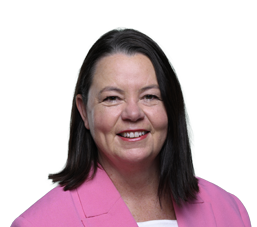
Interview with Jess Ong, Breakfast, ABC Darwin
JESS ONG: So what does the fuel situation look like for people here in the Northern Territory? Well, Madeleine King is the Minister for Northern Australia. Good morning, Minister.
MINISTER MADELEINE KING: Good morning, Jess, how are you this morning?
JESS ONG: Well, thank you. Now fuel security is a big concern for people in the Northern Territory, especially those living in remote communities. What assurances can you provide them that everything is going to be okay?
MINISTER MADELEINE KING: Well, there's no doubt it's a difficult time globally, and there will be ripple effects in Australia, but the Federal Government is working really hard with the Territory Governments, as well as all the States as well, to make sure that fuel gets to the cities but also those remote communities. Like you said, they're already challenged on fuel and fuel prices given the distance they are away from the main ports where this liquid fuel, like diesel and petrol comes in. So, we've made sure that there are more shipments coming into this country, we have empowered the ACCC, the consumer watchdog to make sure that there's not price gouging. I know the NT Government has brought in some old measures to make sure there's no exploitation at the servos as well, and that's really a very positive move. And I mean I heard you speak earlier about the price of unleaded here in Darwin, and when I arrived at the airport the other day I was surprised too as unleaded is under two bucks a litre here, and that's still a lot, but it's actually less than where I live in the metropolitan area of Perth, and diesel's under three bucks, so that's also, it's a lot and it's hard on people, but it is much less than in some other parts of the country here in Darwin.
JESS ONG: It is also though a lot more in remote communities in various parts of the Northern Territory and the Top End. There have been Aboriginal organisations who have called on the Federal Government to prioritise remote community's needs for diesel to run their local power stations and to truck in food. Is that prioritisation being given to communities in the Northern Territory by the Feds?
MINISTER MADELEINE KING: Yeah, we're really very well aware of the pressures on those remote communities, and one of your local Federal politicians, the Minister for Indigenous Australians, Senator Malarndirri McCarthy, she set up a working group to make sure that those fuel supplies, as well as essential food supplies get out to those remote communities, and with the halving of the fuel excise that the Labor Government brought in, that's bringing those prices down as well. So, and it has to be cooperative, and what I've called upon as well is in the resources sector, which often works out in these regional communities to also make sure they support the local traditional owners in terms of making sure they have fuel. And that's what they do normally anyway, and I just and I know they will continue to do so. They're a very important part of our country.
JESS ONG: It is quarter past 7 on ABC Darwin. My name is Jess Ong. You're hearing from the Minister for Northern Australia, Madeleine King. If you've got a question, you can send it through on 0487 991 057.
You mentioned there, Minister, your colleague, the Federal Indigenous Australians Minister, Malarndirri McCarthy, she has said that she's going to lobby her colleagues to increase welfare payments for remote residents because of all of these price increases. Is that something that you support?
MINISTER MADELEINE KING: I really support the work Senator McCarthy's doing, she's a great
JESS ONG: But in relation to the welfare payments to be increased?
MINISTER MADELEINE KING: I support all the work she's doing, including that, and I think it's really important work, and as the Minister for Indigenous Australians as well as the Senator for Northern Territory, it is Malarndirri's role to go out and do that, and I'll support her in that. We have a budget to put together. I, like all my colleagues, you know, can't pre empt what we're going to announce, and I think everyone knows now it's going to be a challenging budget, and we're moving in we've got this conflict in the Middle East, so decisions will have to be made closer to the budget as we see what falls out from this war that we have no choice in but will be affected by. So, I support what Malarndirri's trying to do, we all want to help everyone all at once, but we do have to make choices, but I do really understand that it is remote communities that are the most affected at these times, because they're simply the furthest away from those main fuel supply routes.
JESS ONG: I did also hear from Larissa on the text line who says that Woolworths has announced it's abandoning Nhulunbuy next year and GP services this year from June as Rio Tinto exits from the area. What plans are being made to secure infrastructure and services in Nhulunbuy to ensure its future beyond the mining blitz?
MINISTER MADELEINE KING: Yeah, we've been talking to Rio Tinto about exactly this, I've had direct meetings with their new head in Australia, Matt Holtz and others as well. And it's really unfortunate that Woolworths has pulled out of Nhulunbuy, and that is a commercial decision, it's a really unfortunate one, so I'll work with Minister McCarthy again, who, you know, is the Senator up here but also the Minister for Indigenous Australians, to make sure that that community is well supplied.
What we're really also working on is a sustainable future for that community, to make sure that when the mine and the mining operations do close that there is alternative work, alternative occupations for people in the area and ongoing sustainability for that community, 'cause that's what we really want; we want them to thrive. Many communities depend on mining, but mines do come to an end, and we need to plan better for how those communities can thrive once mining has moved on.
JESS ONG: And clearly, by the sounds of Larissa's text, looking for assurances there that they won't be left high and dry. Just moving on
MINISTER MADELEINE KING: Oh goodness me, no. Yeah, I can assure Larissa they won't be left high and dry, I'm very well aware of the issues there, and we're working really hard on them.
JESS ONG: The state of the roads in the Northern Territory, they're particularly dire after the most recent floods that a lot of the Territory experienced over the last few months. It obviously impacts the way that freight comes to the Northern Territory, but also the way that tourists access this place that we call home. The Northern Territory Government, they just announced a $30.5 million roads package. What's the Federal Government doing to assist with this?
MINISTER MADELEINE KING: Yeah. Well, the Federal Government has doubled the Roads to Recovery Program, that's $1 billion a year, and we also have a commitment to the NT over the next 10 years, over $10.9 billion in infrastructure spend, and the announcement today is a bring forward of money that the NT has allocated to it, and I think it's a really important bring forward of that spend to react to the immediate problems following the floods from Tropical Cyclone Narelle. But what we do is work really actively with the NT Government, and I have, you know, had many conversations in the past, and I wasn't able to catch up with the Chief Minister, Lia Finocchiaro, this time, but I know she's very active in making sure that this recovery happens as best it can, and we'll work with her, with the local members up here as well to make sure we progress those roads and get the funding that the NT needs to make sure 'cause we know how the floods happen every single year, so you've got to build these things back better and more resilient, better designed. They'll always get damaged, we all know that, but we've just got to have a better way of managing that into the long term.
JESS ONG: Speaking of funding, you are here in Darwin for a number of reasons. You've also got a funding announcement in relation to some accommodation.
MINISTER MADELEINE KING: Yes, I do, and I was here yesterday for the Northern Australian Ministerial Forum which brings together the Ministers responsible for infrastructure and development across the NT, Queensland and WA, and today I'm announcing the Northern Australia Infrastructure Facility is putting a $70 million low interest loan into Charles Darwin Uni, CDU, for student accommodation here. So that takes the pressure off the local rental market and makes sure students who, you know, provide at once, you know, workers into the system but also spend their money in the economy here in Darwin and in fact across the NT. So that's
JESS ONG: That seems like a significant amount of money, $70 million for accommodation for CDU. I mean surely there are more pressing things to spend this amount of money on in the Northern Territory?
MINISTER MADELEINE KING: Well, there's a lot of things we're investing in in the Northern Territory, and this is through the Northern Australia Infrastructure Facility, so it's got a particular purpose. But what we've found from past experience is with the student accommodation that NAIF also supported for James Cook University in Far North Queensland, is that it helps the local economy; one, by making sure students have accommodation. It helps the economy by the 300 construction jobs that start like tomorrow, as well as the 40 or 50 ongoing jobs to manage the accommodation.
But really importantly, it means that the rest of the rental market has some relief so that the locals that might not be studying have access to other rentals. So, it's an important combination.
JESS ONG: Good to talk to you this morning, Minister, thank you.
MINISTER MADELEINE KING: Pleasure, Jess, great to be here, it really is.
JESS ONG: That's Madeleine King, who is the Minister for Northern Australia, on ABC Darwin.