
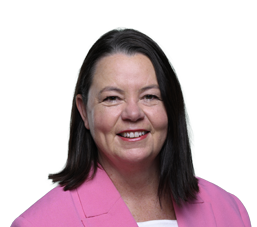
Interview with Emma Rebellato and James Glenday, ABC News Breakfast
EMMA REBELLATO: Well, fears of a global oil supply crisis are deepening with the price of oil jumping again overnight, with Iran's new supreme leader vowing to keep blocking the Strait of Hormuz shipping lane. Iraqi tankers have come under fire as Brent crude soared by about 8 per cent to almost USD$100 a barrel. The news has also caused chaos on global markets.
JAMES GLENDAY: Back home, the Albanese Government is temporarily easing fuel standards, which it says will boost domestic petrol supplies by about 100 million litres a month. For more on this, we are joined by the Federal Resources Minister Madeleine King, who is in Canberra. Minister, welcome back to our program.
MINISTER MADELEINE KING: Good morning, James. Good to be here this early.
JAMES GLENDAY: Oh, it's our pleasure. Just can we start off with a very general, high-level topic because you've been asked this a lot in Parliament this week? How high is the risk that Australia could face broader fuel supply shortages if this conflict drags on for a few more weeks?
MINISTER MADELEINE KING: Well, the longer the conflict drags on, the harder it is for the whole global economy. The ripple effects of such conflict reach everybody's shores, including Australia's. But what I really want to take this opportunity to reassure all Australians right around the country is that we are well supplied with fuel. We are still seeing ships come in and deliver the refined fuel on the west coast and the east coast. So, we have no indication that that will be delayed in any sense. There are ships on their way, so we do have the supply. There have been difficulties in some areas because of the extraordinarily - extraordinary demand, but we do have sufficient supplies. And as you've heard last night, Minister Bowen made the announcement about releasing extra fuel by that lowering of the standards of the sulphur content. And while those standards are really very important in a time when we are seeing this increased demand, it is important to react to allow more fuel to flow.
JAMES GLENDAY: Can I just ask about that dirtier fuel? Can you remind us why this was phased out? And for people watching this morning, is there any - should they have any concerns at all about putting it in their car, particularly if they drive a diesel with something like a DPF filter in it?
MINISTER MADELEINE KING: My understanding, and I'm no expert, my dad worked in an oil refinery. He would have been able to tell you much more about this than I can. But it is about the particulates that are emitted, you know, as the cars are driven is my understanding. And bringing that sulphur content down is better for the environment. It's better for us as people that interact or walk around footpaths and so forth, with cars around. And so, we did bring those standards up for the benefit of the wider community. But at this moment, when we need to release fuel to make sure everyone has what they need to continue their work, we've brought this down temporarily. But I would also add that Minister Bowen has got solid reassurances from Ampol, who is the refinery concerned, that these fuels will be directed out to the independent regional fuel stations.
JAMES GLENDAY: There's so much uncertainty about when this conflict ends, of course, but we have already heard from people who work on shipping boats saying it's getting to the point that if fuel prices continue to soar, then some trips, some fishing journeys will become unviable. Are you at the point of considering and putting in place some contingencies for things like industry assistance to some of these companies that are really, really struggling at the moment?
MINISTER MADELEINE KING: James, I can assure the whole spectrum of industries, whether it be fisheries, as you mentioned, or the wider agricultural sector, for myself and the resources sector, every minister is working to make sure we know what's going on with suppliers and talking directly to association groups and the companies directly. So, we are always thinking of ways to make sure there are contingencies if needed. But right now the supply is there, and we do have a very good stockpile of fuel, and really, more importantly, more fuel continues to arrive in this country as scheduled. And I would just point everyone to the statements earlier this week from the Australian Institute of Petroleum, which is 85 per cent of our fuel providers in this country, that they do not see any issues with supply, and that will continue as far as we can see into the future. But as you say, it is unpredictable as to when this conflict will end. It would be better for everyone around the world if it did end soon. So, we hope that that is what happens, and that it does de-escalate.
JAMES GLENDAY: Just before I let you go, because I know you've got a plane to catch as soon as you finish chatting to us, you are heading overseas to meet with some of your counterparts. What are you hoping to achieve with those meetings?
MINISTER MADELEINE KING: Well, the meeting is timely. It was scheduled a little while ago. It's the Indo-Pacific Energy Security Forum, and I'm meeting with counterparts from Japan and Korea and also the United States and my friend, Minister Monteiro from Timor Leste, among others. I'm hoping to achieve a good- good discussions about where everyone else is sitting in addressing the fuel supply or demand issues they're facing in their countries, but also around critical minerals and rare earths, which we know there are very serious supply chain issues with that, that Australia has a very important global role to play.
JAMES GLENDAY: Madeleine King, thank you so much for joining our program, again.
MINISTER MADELEINE KING: Thanks, James. And have fun on the Goldie. Yes.