
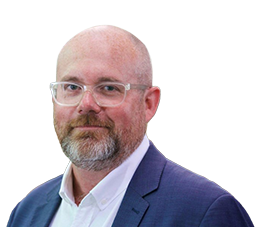
Interview with Tom Connell, Sky News Politics Now
TOM CONNELL, HOST: Joining me for more on the Iran war and its effect on Australia, Industry Minister Tim Ayres here in the studio. Thank you for your time.
SENATOR TIM AYRES, MINISTER FOR INDUSTRY AND INNOVATION AND MINISTER FOR SCIENCE: G'day, Tom.
HOST: Fuel security. We keep being told there's enough but wholesale fuel for people, some people out there, it's not available and there's weeks of delay. What is happening here and what's the government doing about it?
AYRES: There’s two separate sets of issues. It's really important to communicate clearly and carefully about those questions. In terms of supply for Australia, we have about 1.55 billion litres of petrol on hand here in Australia and about 2.97 billion litres of diesel. That is much more than 30 days supply for each of those products. And that hasn't changed since the beginning of the war. That is, ships are continuing to arrive.
HOST: So, we haven't used any of our reserve?
AYRES: There's a steady state in terms of our reserves. Some goes out and some goes in and it's maintained.
HOST: The net impact of the reserve is the same?
AYRES: The net impact is the same. Now we’re watching that really closely, watching the ship movements on their way to Australia. The second part of that is what happens when there's different consumer behaviour. We're getting reports that some purchasers have ordered much more than they require and then that has a differential effect around the country.
HOST: And when you say that you're not just talking about people coming in and filling up?
AYRES: No, wholesalers might buy more than is required, industry purchasing more than is required. Now, that is reshaping in some areas, particularly where there are individual retailers in a country town, for example. That's consistent with the feedback we're getting and we're working carefully with industry to provide support to industry and to work with industry to get a better outcome.
HOST: We had a fuel supplier yesterday say they just couldn't get access to the same amount or they were paying more. We've had farmers say they literally can't put crops into the ground. So, you say working, but this is not really in hand right now. If crops are not going to go in as a result of this, how's it going to get fixed?
AYRES: We have sufficient fertiliser and sufficient diesel. The Australian Institute of Petroleum reported to us just a few hours ago that they have no concerns about being able to provide the normal demand.
HOST: But it's not getting there.
AYRES: Where there are some areas of the country where, you know, purchasers have bought more, that is creating some interim difficulties. We've announced some changes today. So, the ACCC will be able to act to remove obstacles and issue interim orders in the same way that they did during COVID to allow within a few days suppliers to work together to make sure that supply arrives in particular locations like the kind of ones that you're referring to.
HOST: So, that's going to be fixed, is it?
AYRES: Well, we're going to have to continue working together. You don't fix it on Wednesday and it's fixed forever. It's going to involve Australian and Australian institutions and Australian government working together on these issues. The bottom line though is because the measures that this government undertook, the Minimum Stockholding Obligations are exceeded, and we have the largest amount of fuel on hand that we have had for 15 years.
HOST: The original legislation was Coalition legislation though.
AYRES: But they didn’t implement it. This is the thing.
HOST: They passed the legislation. It doesn’t get implemented overnight. That was 2021, wasn’t it?
AYRES: I think the expression is big whoop, right? They passed the legislation. Their previous position was to have Australia's fuel reserves in Texas, like in El Paso or something. I don't know what on earth—
HOST: But it's worth going out. They passed the legislation in 2021, and you got into power soon after.
AYRES: And we implemented it. We implemented it and we've delivered it carefully and deliberately. Angus Taylor, who makes a lot of noise, acts as if he wasn't our worst ever Energy Minister. His plan was for Australia's fuel reserves to be in Texas. Imagine you're a cotton farmer in Texas, Queensland, and you learn that Australia's fuel reserves are in Texas, United States.
HOST: But how long ago did that begin, the fuel reserves being offshore?
AYRES: Well, that was Angus Taylor's plan. In 2022, we've implemented the minimum stock.
HOST: He didn't start that, did he?
AYRES: He did.
HOST: They didn’t implement—
AYRES: They did nothing. Right. Matt Canavan was the Resources Minister during a very big slab of this period, four out of six of our fuel refineries closed their doors, our fuel reserves in Texas. And they pretended there wasn't a problem. When we raised these issues dismissed. And we have worked carefully to do this now, that doesn't mean that there aren't as a result of what is going on in Iran—the reason we have fuel reserves is because it does mean that there are demand spike challenges and that's what they are there designed to meet.
HOST: Has this made you think we might need the actual 90 days onshore of reserves. And would that mean more refineries? Is that something you're looking at actively?
AYRES: I was pleased to see Senator Canavan concede in one of his questions today that there's a difference between our IEA obligations, which is about releasing fuel into the global markets to deal with supply challenges if there's another OPEC crisis, and Australia's Minimum Stockholding Obligations. We are currently exceeding our Minimum Stockholding Obligations, and we've got the most secure on hand.
HOST: You're comfortable where the position is?
AYRES: We're comfortable that we have got to where we've got to. We're confident about continuing to set the facts, which is important, but we're not complacent. We're working with industry every day. The other day, Chris Bowen and I and the Transport Minister and the Ag Minister had the fertiliser sector, fuel sector, farmers all together working collectively and we'll continue with that approach.
HOST: Ok, just quickly, so Future Made in Australia. Where is that at and where's that heading to? Are you still in the sort of picking areas phase, subsidies?
AYRES: I'll give you a good example. We stepped in. You can't have a Future Made in Australia without protecting our foundational industrial capability. Just a few months ago, $600 million package between the Albanese Government and the Crisafulli Government in Queensland to support the Mount Isa mine smelter. Because of that intervention, that $600 million intervention, Australia's only current fertiliser production facility at Dyno Nobel has successfully changed hands. They had indicated they were walking away from the business. It has now been purchased. 500 additional jobs. Symbiotic relationship between these two facilities. Because of that decision, it secures 17,000 jobs in Northern Queensland, and one of our largest industrial areas, that lean exactly into these questions of economic and strategic resilience.
HOST: I've got to leave it there. Minister, thanks for your time.
AYRES: Thanks, mate. See you soon.