
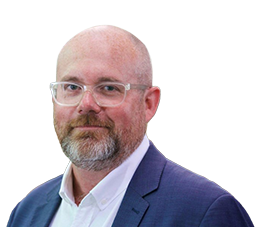
Interview with Melissa Clarke, ABC AM
MELISSA CLARKE, HOST: Tim Ayres, thanks very much for joining AM this morning.
SENATOR TIM AYRES, MINISTER FOR INDUSTRY AND INNOVATION AND MINISTER FOR SCIENCE: Oh, g'day, Mel. It's good to be on the show.
HOST: Now, it's Made in Australia Week and the Government is spending up on an advertising campaign to encourage people to buy more locally made products. Is that a difficult message when, for many households, money's pretty tight right now, and cheap products from overseas have never been easier to buy?
AYRES: I think we're pushing on an open door here with Australians, reminding Australians that we've all got a responsibility to buy local. This is the 40th anniversary of Australian Made Week. Today, [I’ll be] down at the MCG, kicking a ball through the posts. Posts made from Australian aluminium. We've got an end-to-end supply chain of aluminium in Australia. There's lots of opportunities for Australians in all sorts of product lines to back local industry and back Australian jobs.
HOST: What sort of impact does buying locally made produce have on the economy more broadly? Obviously, cheaper imports for businesses can help them be more effective business operations. But what's the flow-on effect of buying more local produce?
AYRES: Well, every time Australians buy local in the supermarket or in the shopping centre, you're backing jobs in our outer suburbs and in our industrial regions that really make a difference for our economy. Of course, we're a trade-exposed economy. In Australia, one out of every four of our jobs is an export-related job. But we back the strength of the Australian economy and back Australian manufacturing every time we make that choice to buy Australian-made.
HOST: The Federal Government is certainly investing in heavy industry and making sure that is made locally. The Federal and Tasmanian Governments have been keeping the lights on at the Liberty Bell Bay manganese smelter while administrators try and secure a buyer. How is that process going?
AYRES: We're working with the administrator at Liberty Bell Bay and with the Tasmanian Government to make sure that we maximise the chance there of a successful sale. This is an important business in North East Tasmania. We're doing what we can here in very challenging circumstances, backing those workers there – around 200 of them have had a pretty torrid time – and the administrator to put this company in the best possible position in very challenging circumstances.
HOST: Then there's the Tomago aluminium smelter in the Hunter region. The Federal and New South Wales Governments committed to supporting its ongoing operations back in December, but we still don't have the details. Why not?
AYRES: Well, there's still lots more work to do here. This is a complex set of arrangements, but I just point you to what was achieved in Queensland in a very similar facility, another aluminium smelter at Boyne Island near Gladstone.
HOST: Also owned by Rio Tinto.
AYRES: Yeah, and Rio's a part owner of the Tomago facility as well. A billion dollars from the Albanese Government, a billion dollars from the Crisafulli Queensland Government; $7.5 billion from Rio Tinto investing into new generation in Queensland. That secures thousands of jobs in Central Queensland right through until 2040. But it also means that we're building out new generation in wind, solar, backing new generation capacity, which puts downward pressure on prices for everybody in Queensland, including heavy industry. It's a slam dunk economically that makes Queensland more competitive and delivers investment as far as the eye can see in blue-collar jobs in Central Queensland.
HOST: But it's not the same situation at Tomago, is it? I mean, the New South Wales Government doesn't own energy generation facilities the way the Queensland Government does. There's less appetite for this kind of 50:50 split between the State and the Commonwealth, and Rio Tinto's view of what options there are to connect renewable energies is quite different. So, are those hurdles that will absolutely be overcome and it's just a matter of sorting out the details, or is there a chance that the three parties can't reconcile the differences here?
AYRES: Well, it will be a very good arrangement for New South Wales. It will make the New South Wales economy more competitive, it'll put downward pressure on electricity prices, and it'll secure [6,000] jobs, both direct and indirect, in the Hunter Valley. We've got to make sure that we do the detailed work here. That is what is going on with the Federal Government and Snowy Hydro and with New South Wales. We'll keep working those issues through and we'll make announcements when we've got announcements to make. But this is a very complex and important piece of work for New South Wales and for Australian manufacturing.
HOST: And back to the Budget and the broad changes to taxation; we've seen published this morning the first opinion polling since the Budget was handed down, across two polls. It suggests that primary support for Labor is either the same or down slightly, and that a lot of voters are undecided about these key taxation measures. How are you going to persuade voters to support this plan?
AYRES: Well, we're going to keep explaining the Budget to Australians and keep that discussion going. It's not a surprise, having made big changes and big announcements in particular, in the property market, reshaping the future market to deliver a more level playing field for young Australians who have been locked out, largely, so they have the opportunity to buy their first home. We've got a job to do, as you would expect following a budget, to talk to Australians about these changes, to keep explaining them, keep engaging on those issues. But I just ask your listeners to look at what's substantially been announced here and what will be delivered. A change in the shape of the property market that levels the playing field for young Australians and gives young Australians a crack at being able to aspire to buy their first home.
HOST: Tim Ayres, thanks very much for speaking with AM this morning.
AYRES: Thanks, Mel.